Before the dial was digital
The Radio Act of 1927, the FCC's founding, the Fairness Doctrine and its repeal, and the three-network era — the regulatory record the present system grew from.
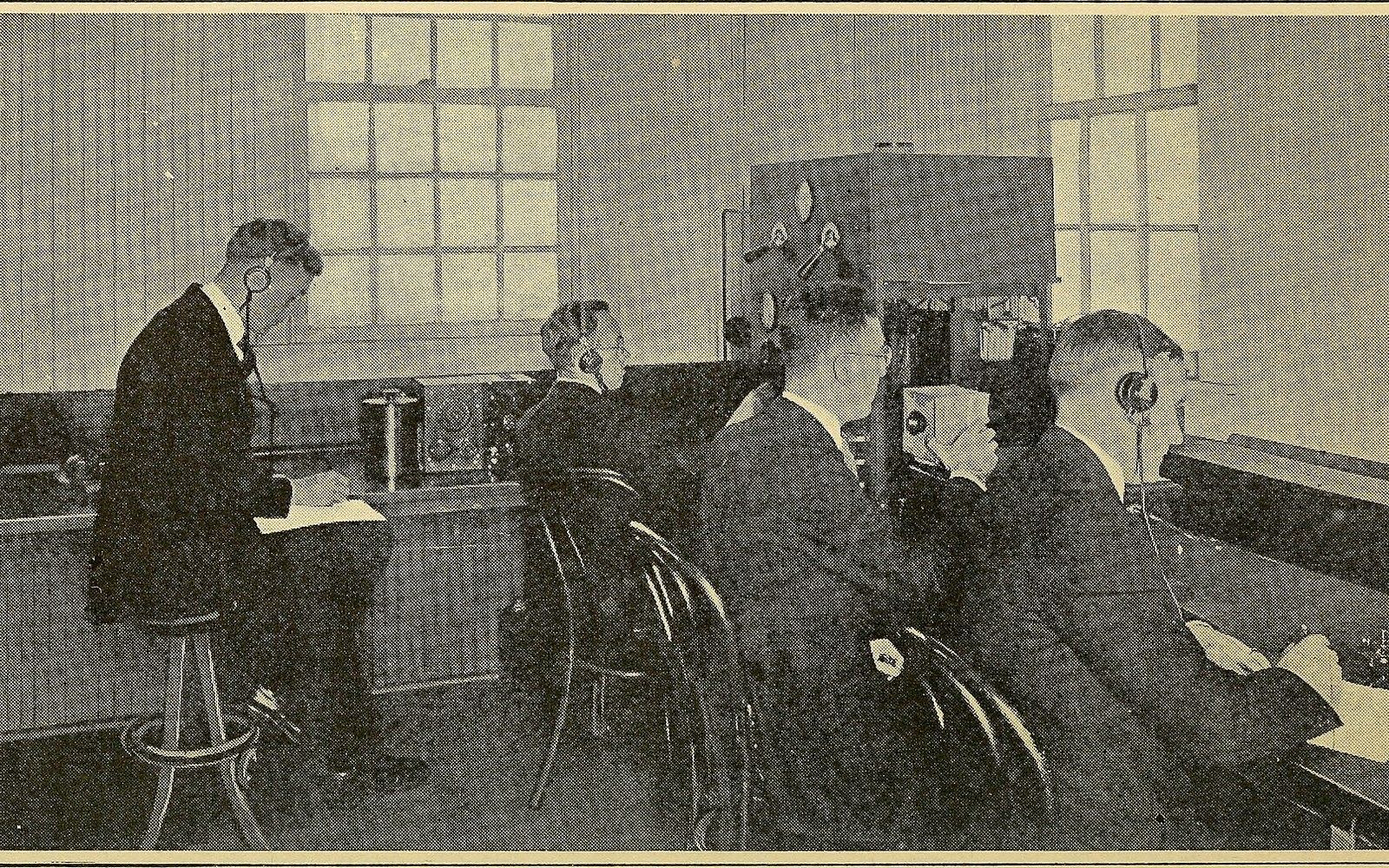
The 1927 Act created a licensing commission; the 1934 Act made it the FCC.
Photo: Radio for everybody; being a popular guide to practical radio-phone reception and transmission and to the dot-and-dash reception and transmission of the radio telegraph, for the layman who wants to · Wikimedia Commons
-
The Radio Act of 1927 and the Commission It Made Necessary
Describes the chaos of unregulated radio transmission that prompted the Radio Act of 1927, the Federal Radio Commission it established, and the Communications Act of 1934 that replaced it with the FCC. Uses the legislative record and the documented spectrum interference disputes that made regulation politically viable.
 The Fairness Doctrine: Introduced 1949, Repealed 1987, Still Argued About
Traces the Fairness Doctrine from its codification in the FCC's 1949 Report on Editorializing to the 1987 commission vote that repealed it, describing the constitutional reasoning the FCC used and what the documented programming changes in the following decade showed.
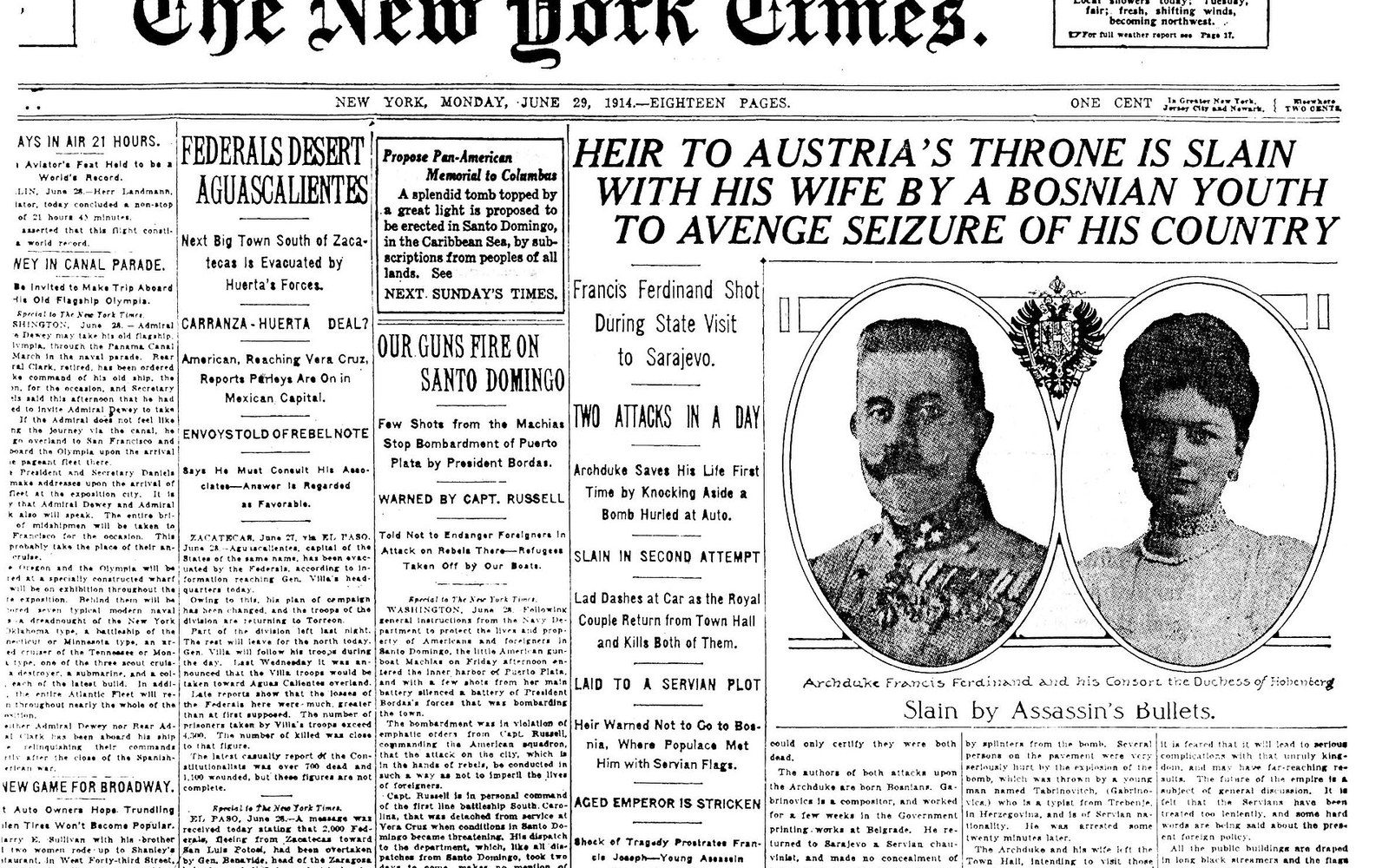 The Pentagon Papers and the Prior Restraint the Court Refused
Describes the Nixon administration's injunctions against the New York Times and Washington Post in June 1971 and the Supreme Court's six-to-three decision lifting them, using the per curiam opinion and the six concurring opinions to show what the case actually decided — and what it left open.
 When ABC, CBS, and NBC Stopped Being the Whole Story
Documents the combined prime-time audience share of the three broadcast networks from their peak in the late 1970s through the rise of cable and the launch of Fox, using Nielsen historical data and network annual reports to put a number on the decline each decade.