Who signs the licence and who owns the station
FCC ownership limits, the 1996 Telecommunications Act, Sinclair's blocked Tribune purchase, Nexstar's rise, and the litigation that kept challenging the rules.

The 2017 order eliminated the newspaper–broadcast cross-ownership rule outright.
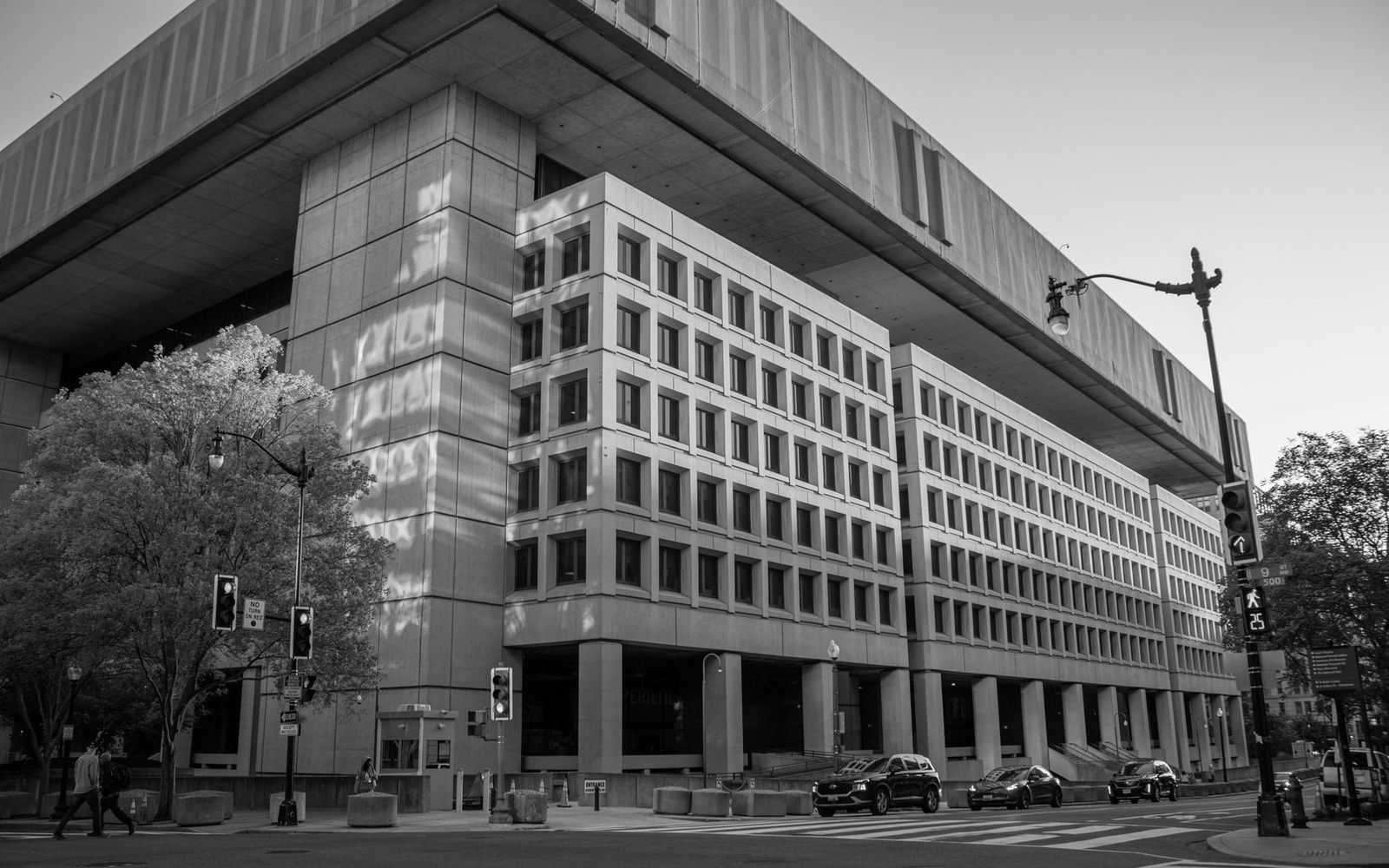
Photo: MHealth Attendees at FCC's Headquarters · Wikimedia Commons
 The 1996 Telecommunications Act: Where the Consolidation Starts
Explains the specific ownership-limit changes the Telecommunications Act of 1996 made to radio, television, and cable ownership rules, and traces the documented wave of station acquisitions in the two years that followed. The piece treats the Act as the origin point for the ownership patterns the rest of the section describes.
 Sinclair, Tribune, and the Deal the FCC Stopped
Reconstructs the 2017–2018 Sinclair–Tribune merger attempt: the $3.
 Nexstar at the Top: How the Largest Station Group Got There
Traces Nexstar Media Group's acquisition path from a regional broadcaster to the holder of the largest portfolio of US television stations, using FCC licence records and the company's stated station counts at the time of each major transaction.
-
The FCC's 2017 Rule Changes and the Broadcasters Who Benefited
Describes the specific ownership rules the FCC relaxed in 2017 under Chairman Ajit Pai — the UHF discount restoration, the newspaper-broadcast cross-ownership rule elimination — and identifies the named broadcasters whose pending transactions the changes immediately affected.
 Prometheus Radio Project v. FCC: Thirty Years of the Same Fight
Traces the Prometheus Radio Project's repeated litigation against FCC ownership rule changes from the early 2000s through the 2021 Supreme Court decision in FCC v.