The FCC's 2017 Rule Changes and the Broadcasters Who Benefited
How Ajit Pai's FCC Rewrote the Broadcast Ownership Rulebook

The 2017 order eliminated the newspaper–broadcast cross-ownership rule outright.
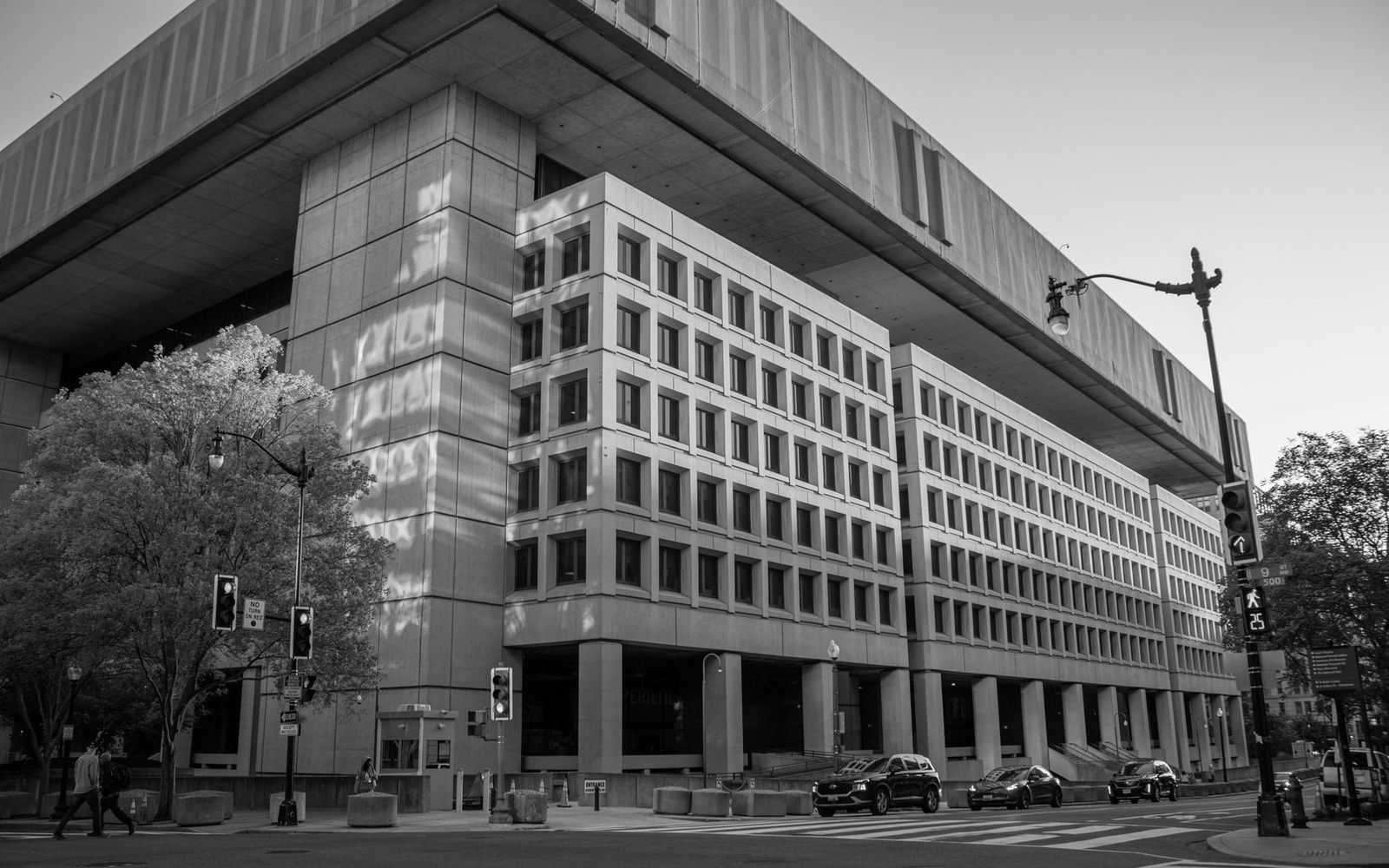
Photo: MHealth Attendees at FCC's Headquarters · Wikimedia Commons
In November 2017, the Federal Communications Commission voted 3–2 along party lines to adopt a sweeping revision of broadcast ownership rules that had governed American television and radio for decades. Chairman Ajit Pai framed the changes as a modernisation overdue since the rise of cable and streaming competition. The practical effect was to remove or weaken rules that had constrained consolidation among the largest station groups.
Earlier that year, in a separate vote, the commission had restored the UHF discount, which proved the most consequential change for the largest station groups. The discount, originally introduced when UHF stations reached smaller audiences than VHF, had been suspended in 2016 under Chairman Tom Wheeler. Under the discount, a UHF station counted as only half its actual audience reach when calculating whether a broadcaster approached the national 39-percent audience-reach cap. Restoring it immediately freed Sinclair Broadcast Group to pursue an acquisition it had already announced: the $3.9 billion purchase of Tribune Media's 42 stations. Sinclair's own reach, without the discount, had pressed close to the statutory cap; with it restored, the arithmetic worked again. The Sinclair–Tribune deal ultimately collapsed in 2018 after FCC referral to an administrative law judge over unrelated divestiture concerns, but the UHF restoration remained in place.

The web still runs at night in the plants that survived the consolidation.
Photo: Bornil Sarker / Pexels
The 2017 order also eliminated the newspaper-broadcast cross-ownership rule, first adopted by the FCC in 1975, which had prohibited a single company from owning both a daily newspaper and a broadcast station serving the same market. Its elimination opened the door for deals combining print and television assets in the same city — a structure that Nexstar and other station groups had been positioned to explore as they acquired or partnered with regional newspaper publishers.
The FCC also loosened the local television duopoly rule, allowing common ownership of two stations in more markets than the previous standard permitted. Nexstar Media Group, already on an aggressive acquisition path, was among the station groups whose regulatory posture improved directly as a result.
Critics including the Prometheus Radio Project challenged the 2017 order in the Third Circuit. The court vacated portions of the order in 2019, finding the FCC had not adequately analysed the impact on minority and female ownership — continuing a pattern of judicial pushback on FCC consolidation efforts that stretched back through multiple administrations.