The Fairness Doctrine: Introduced 1949, Repealed 1987, Still Argued About
An FCC policy born from spectrum scarcity shaped four decades of broadcast journalism, then died in a vote — and the argument over what followed never really stopped.
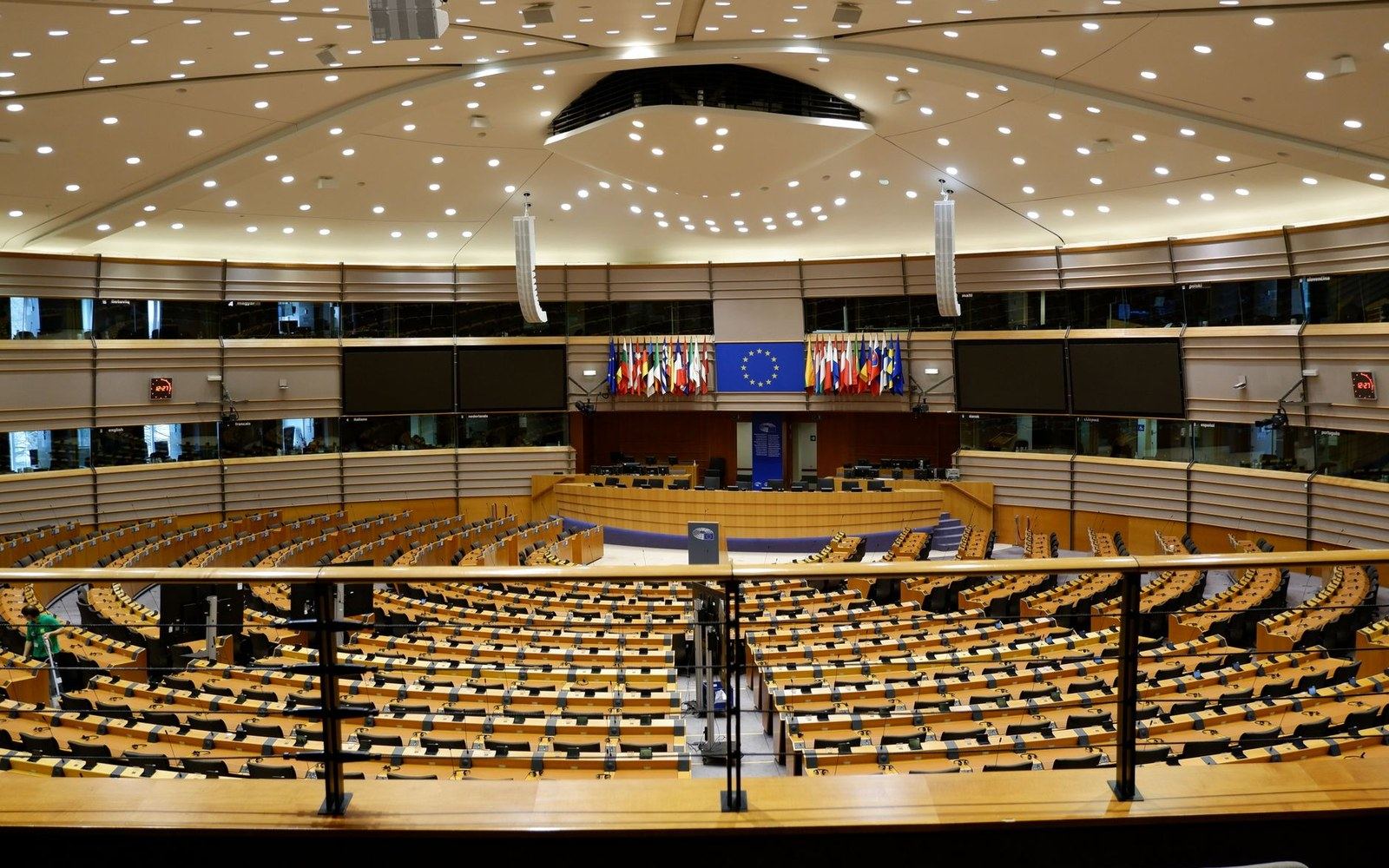
Introduced in 1949, repealed in 1987, still cited by both sides of the argument.
Photo: Jonas Horsch / Pexels
From Editorializing Report to Enforceable Policy
The Federal Communications Commission codified the Fairness Doctrine in its 1949 Report on Editorializing by Broadcast Licensees, a document that tried to resolve a tension the commission had been managing since the late 1930s: broadcasters hold public licenses to use a finite electromagnetic spectrum, but journalism requires editorial freedom. The FCC's answer was a two-part obligation. First, licensees had to devote airtime to controversial public issues. Second, they had to present contrasting viewpoints on those issues. Neither part required strict numerical balance, and neither gave any individual a personal right of reply — that was a separate, narrower mechanism. The doctrine operated through license renewal, where a pattern of one-sided coverage could, in theory, cost a station its franchise.
The constitutional footing came from Red Lion Broadcasting Co. v. FCC, decided by the Supreme Court in 1969. The Court upheld the doctrine unanimously, reasoning that spectrum scarcity distinguished broadcasting from print: because not everyone who wanted to broadcast could, licensees' editorial discretion was subordinate to the public's right to hear competing views. That scarcity rationale would later become the doctrine's greatest vulnerability.

A final edition, bundled and unsold.
Photo: Maria Tyutina / Pexels
One point of persistent confusion deserves clarification. The Fairness Doctrine is not the equal-time rule, and the two should not be conflated. Section 315 of the Communications Act — the equal-time rule — applies specifically to legally qualified candidates for political office and requires that a station offering airtime to one candidate must offer equivalent time to opposing candidates. Section 315 remained in force after 1987 and remains in force today. The Fairness Doctrine was a much broader, editorially demanding instrument covering any controversial issue of public importance, applied to all broadcast content, not just campaign appearances.
The 1987 Repeal and Its Reasoning
By the mid-1980s, the FCC under Chairman Mark Fowler had shifted its analytical frame. In its 1985 Fairness Report, the commission found that the doctrine actually chilled speech: licensees, fearing the administrative burden of defending editorial balance, avoided controversial subjects entirely rather than risk a complaint. The report also questioned whether the scarcity rationale still held in a media environment that included cable television, satellite, and a multiplying number of broadcast outlets.
In August 1987, the commission voted four to zero to repeal the doctrine, concluding that it violated the First Amendment. The FCC did not wait for Congress to act; it treated Red Lion as a precedent it was entitled to distinguish on factual grounds — namely, that spectrum scarcity was no longer the self-evident condition it had been in 1949. Congress had passed legislation earlier that year to codify the doctrine into statute, but President Ronald Reagan vetoed it, and the veto held.

The web still runs at night in the plants that survived the consolidation.
Photo: Bornil Sarker / Pexels
What the Programming Record Showed
The decade following repeal produced documented and measurable changes in broadcast content. The form that expanded most rapidly was partisan political talk radio. Research on the post-repeal radio landscape shows that nationally syndicated conservative talk programming grew substantially through the early 1990s, filling hours that stations had previously left uncontroversial or avoided. Whether that expansion represents the market delivering genuine demand, the removal of an artificial chilling effect, or both depends on which part of the evidentiary record one weights — but the directional shift was clear and consistent across the industry.
Advocates for restoration, including some members of Congress in the 2000s and again after 2008, argued that the consolidation of station ownership — accelerated by the 1996 Telecommunications Act — made the scarcity argument structurally relevant again even as the raw outlet count had risen. The FCC declined to reopen the question each time it arose. The doctrine has not been reinstated, and no proceeding currently before the commission proposes to do so.
What the 1987 vote left behind was a still-active equal-time rule, a First Amendment debate with no settled resolution, and a historical case study in how a regulatory instrument designed to guarantee viewpoint diversity can be argued, with equal plausibility, to have suppressed it.