The Traffic That Did Not Arrive: AI Summaries and Publisher Referrals
What the Referral Numbers Show — and What They Cannot Prove
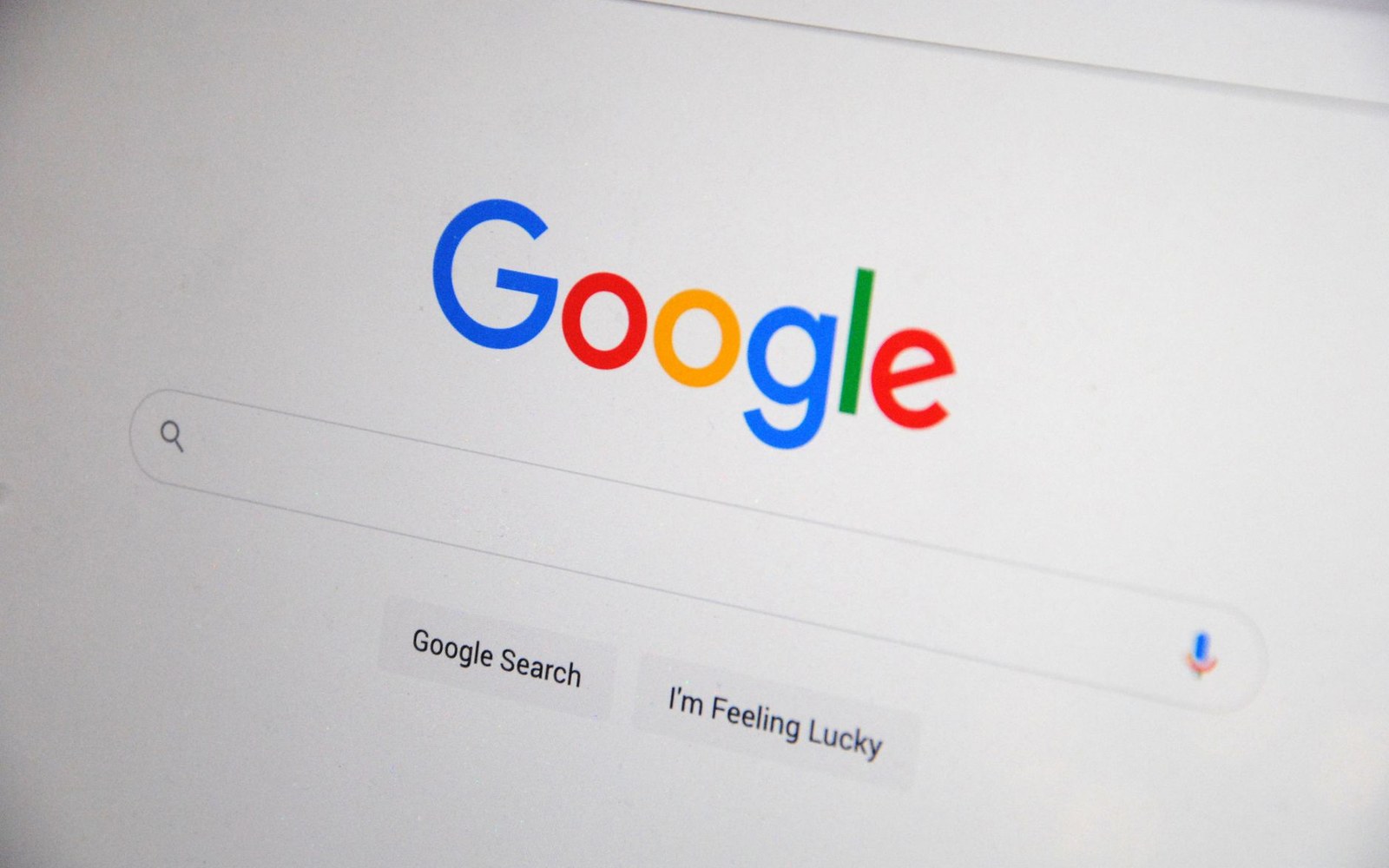
A synthesised answer above the links changes what a referral number means.
Photo: Sarah Blocksidge / Pexels
Google's AI Overviews feature, which began rolling out broadly in the United States in May 2024, generates a synthesised answer above the traditional list of search results. Several analytics firms have since documented measurable declines in click-through rates for informational queries — the category most directly affected when an answer appears before any link does.
Cloudflare, drawing on aggregated data from sites using its network, published findings in 2024 showing a sustained drop in referral traffic from Google searches to news and media publishers, coinciding with the wider deployment of AI Overviews. Similarweb, which tracks estimated visits across millions of domains, reported comparable directional trends for news properties, with some categories of query — health, finance, and general-interest news — showing the steepest reductions in click-through volume.

Nielsen's Gauge would not count this screen at all.
Photo: Jakub Zerdzicki / Pexels
The methodological difficulty is real and acknowledged. Referral traffic to news publishers had already been declining before AI Overviews arrived, driven by the pullback of social referrals — Facebook's withdrawal from news distribution, changes to Twitter's algorithm under new ownership, and the general maturation of search behaviour. Disentangling the AI summary effect from those pre-existing trends requires a counterfactual no analytics firm can build cleanly. Correlation is documented; causation is contested.
The Associated Press and several large newspaper chains raised the referral question directly in public statements during 2024, arguing that AI summaries extract value from journalism without returning traffic. Publishers that signed licensing agreements with OpenAI — among them News Corp and Axel Springer — did so partly in recognition that the traditional traffic-for-content bargain was already breaking down.
Penny Muse Abernathy, whose research on news deserts has tracked the structural fragility of local publishers, has noted that smaller outlets are disproportionately exposed: they lack the brand recognition that drives direct navigation, making them almost entirely dependent on search and social referral. A sustained referral decline therefore lands hardest on the organisations least able to absorb it.
Google has disputed the framing, arguing internally and in public filings that AI Overviews increase overall search engagement. No independent audit of that claim has been published.