When the Local News Goes Dark: Retransmission Consent Fights
The Lever That Causes Blackouts

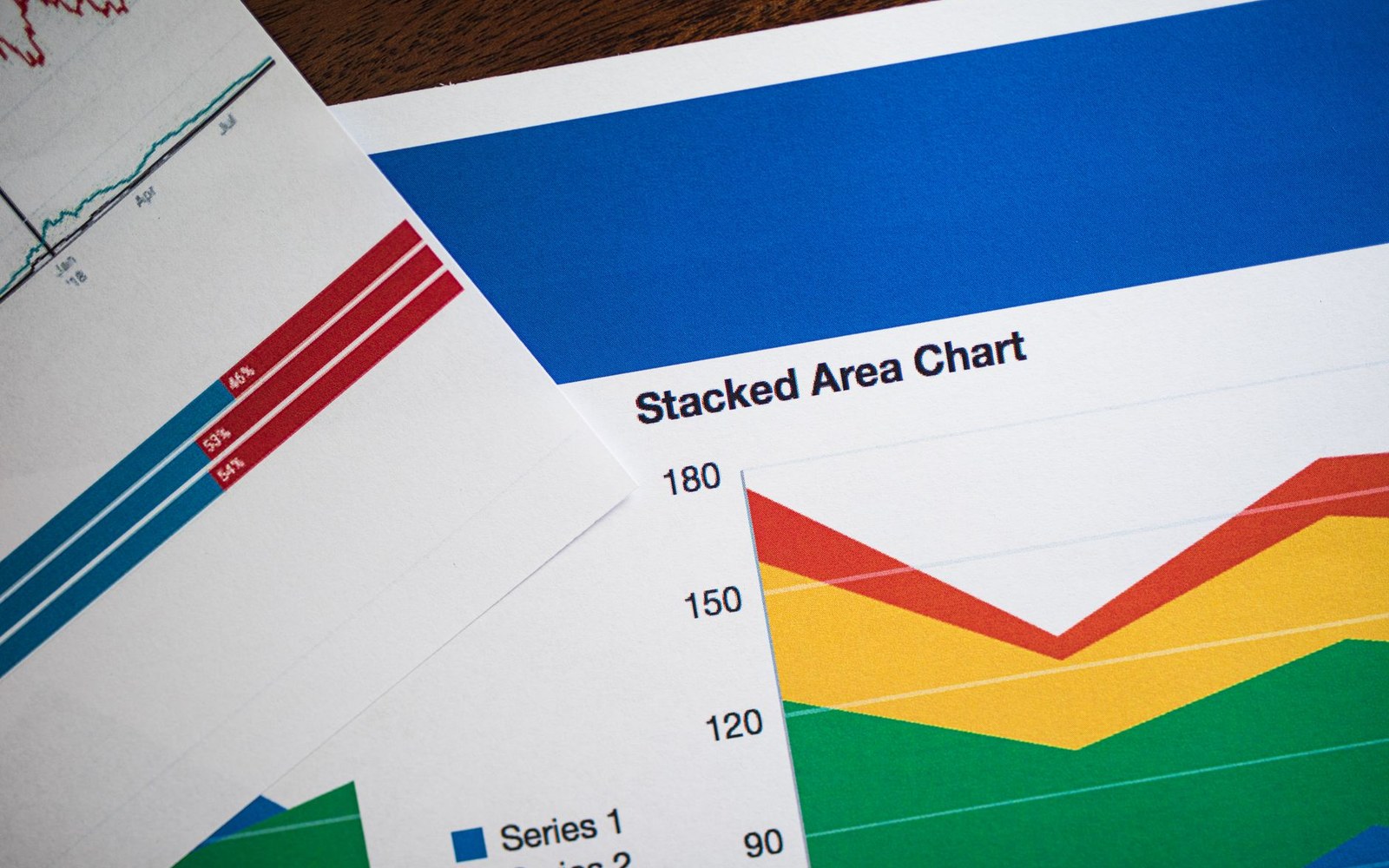
What a viewer sees when consent lapses between a station group and a distributor.
Photo: Atlantic Ambience / Pexels
Retransmission consent — the right of a broadcast station to demand payment from a cable or satellite distributor for carrying its signal — was established by the Cable Television Consumer Protection and Competition Act of 1992. Before that law, cable systems could carry broadcast signals without permission or payment. After it, every carriage contract became a negotiation, and every failed negotiation became a potential blackout.
The FCC oversees the process but does not set rates or compel agreement. Parties must negotiate "in good faith," a standard the Commission can adjudicate on complaint but rarely enforces to resolution. The result is a system where Prometheus Radio Project v. FCC-era frustrations about regulatory passivity repeat themselves in a commercial register: the public loses access while companies argue over fees.

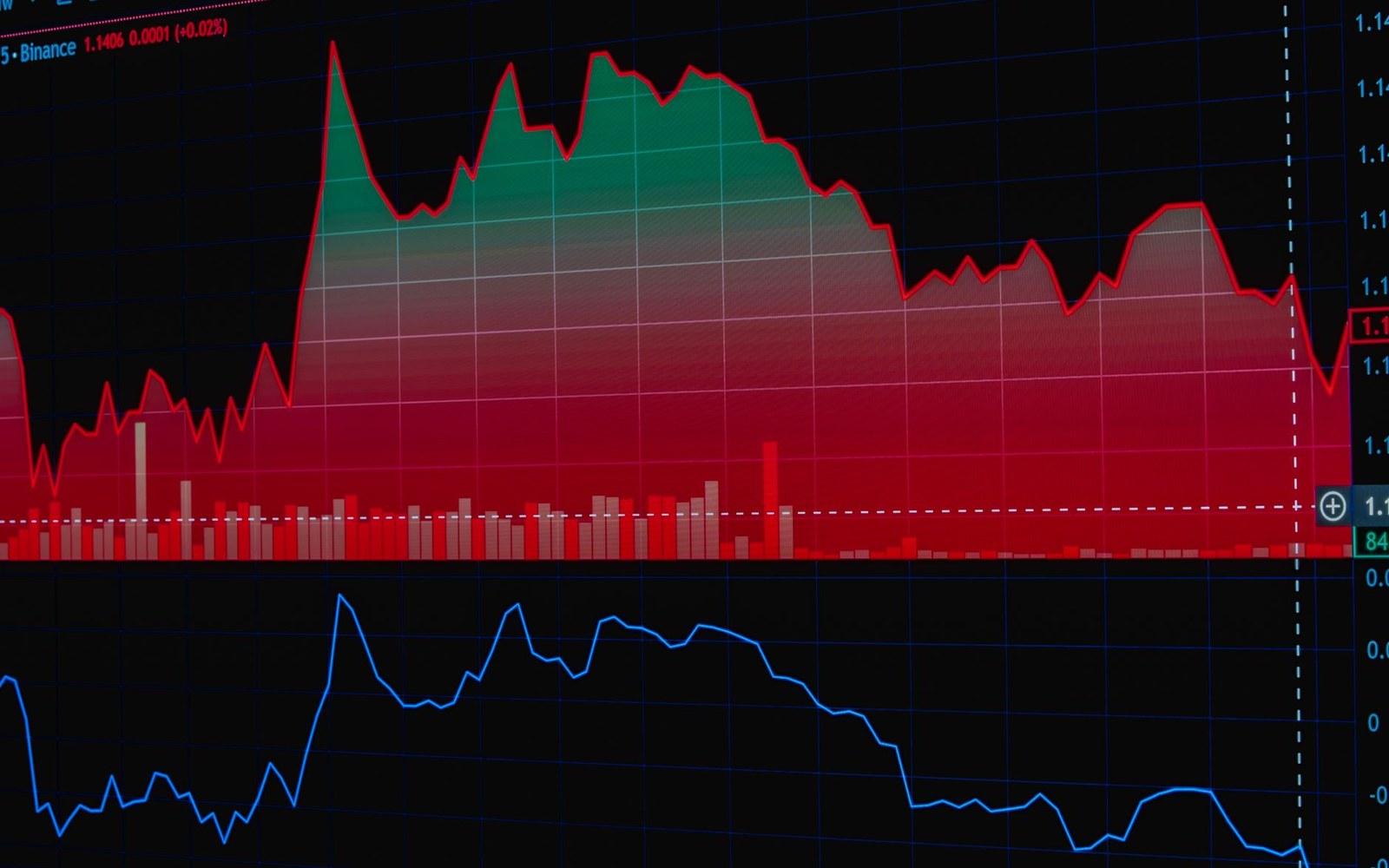
Nielsen's Gauge would not count this screen at all.
Photo: Jakub Zerdzicki / Pexels
Documented blackouts illustrate the stakes. In 2019, Nexstar Media Group stations went dark on AT&T's DirecTV and U-verse systems for roughly two weeks in a dispute over retransmission fees covering stations in dozens of markets. Viewers in those markets lost access to local news, network programming, and emergency broadcasts simultaneously. The FCC received complaints but did not intervene to restore service.
In 2022, Tegna stations — covering markets including Sacramento and Washington, D.C. — went dark on DirecTV for more than 100 days, one of the longest blackouts on record for a major station group. Tegna and DirecTV each filed good-faith complaints against the other with the FCC. The Commission acknowledged the filings; the blackout ended through private negotiation, not regulatory order.
Sinclair Broadcast Group has been party to multiple documented disputes with Dish Network, including a 2019 standoff that briefly removed Sinclair-owned Fox affiliates from Dish's satellite service across several markets.
The Nielsen data underlying these negotiations is itself a pressure point: ratings determine what a station can credibly demand. As broadcast audiences shrink under cord-cutting pressure, the arithmetic of retransmission fees grows harder for both sides to accept — and viewers, especially those dependent on over-the-air alternatives, absorb the cost of the standoff.