Podcast Numbers Nobody Agrees On — and the Spotify Exclusives That Ended
No single measurement currency governs podcasting. Platforms count different things, report different figures, and define a "listen" differently — while Spotify's bet on exclusive content quietly unwound across 2023 and 2024.
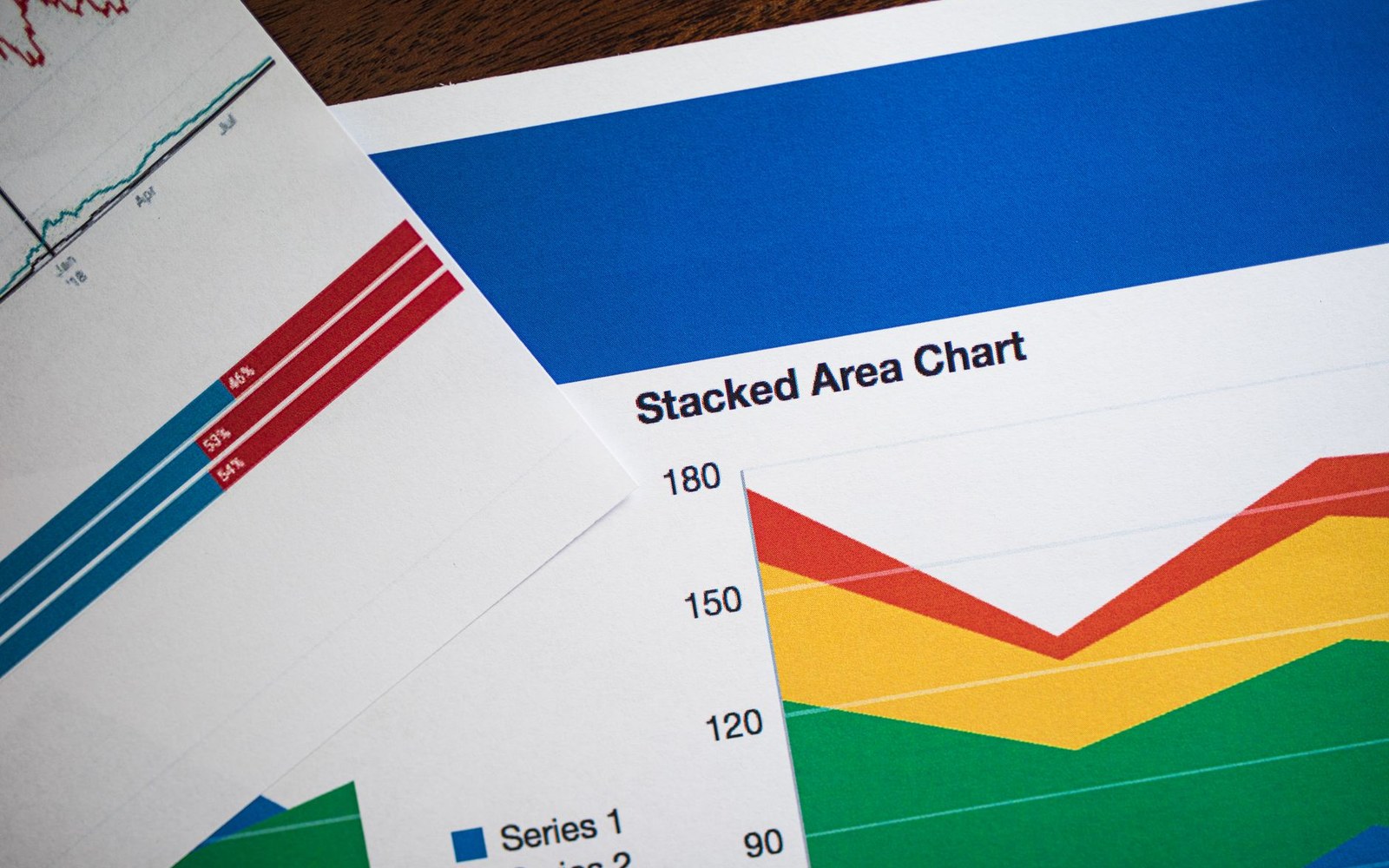
Downloads, listens and plays are three different numbers, and no two platforms define them alike.
Photo: indra projects / Pexels
A Measurement Problem Without a Fix
When Nielsen publishes television audience data through The Gauge, broadcasters, advertisers, and distributors all work from the same monthly numbers. Podcasting has no equivalent. Apple Podcasts, Spotify, and the third-party analytics firms that serve independent publishers each produce figures that are methodologically incompatible with one another, covering different populations, different behaviors, and different definitions of what constitutes a completed listen.
Apple Podcasts reports downloads and listeners through its Podcasts Connect dashboard, available only to the show's producer. The core metric is a download — a file request — which does not confirm that a human pressed play, let alone finished an episode. Spotify, by contrast, reports streams to publishers through Spotify for Podcasters, counting a listen only when a user plays at least sixty seconds of an episode. That threshold is borrowed from music streaming convention and has no industry-wide rationale behind it. Chartable, Podtrac, and other third-party measurement services work from RSS download logs, meaning they capture listening on any app that pulls from that feed but are blind to consumption inside closed platforms like Spotify's native player, where no RSS transaction occurs.
Nielsen's Gauge would not count this screen at all.
Photo: Jakub Zerdzicki / Pexels
The Interactive Advertising Bureau has published podcast measurement technical guidelines since 2017, updated to version 2.1, establishing minimum standards for filtering invalid traffic and defining a legitimate download. Adoption is voluntary, and no independent body audits compliance. Advertisers buying podcast inventory are therefore making decisions across platforms whose numbers are produced under different rules and cannot be added together.
Spotify's Exclusive Bet and Its Retreat
Between roughly 2019 and 2022, Spotify committed several hundred million dollars to acquiring podcast studios and signing exclusive content deals, reasoning that proprietary audio content would do for podcasting what Netflix's original series had done for streaming video: build a destination library that justified the subscription. The strategy surfaced shows hosted by Joe Rogan, Meghan and Harry, Alex Cooper, Kim Kardashian, and others under various exclusivity or Spotify-original arrangements.
The retreat was documented show by show across 2023 and 2024. The Ringer, the sports and culture podcast network Spotify acquired in 2020, began distributing its shows more broadly rather than keeping them inside Spotify's ecosystem. Spotify's internal studios were restructured; the company confirmed layoffs affecting its podcast division in early 2024 that reduced headcount significantly. The company's earnings reporting shifted away from touting exclusive podcast content as a subscriber growth driver.

Broadcast held 20.1% of American television time in May 2025, and still sets the hour.
Photo: Samon Yu / Pexels
Most visibly, the deal structure around Joe Rogan's show changed. Originally a Spotify exclusive beginning in 2020, The Joe Rogan Experience became available on other platforms including Apple Podcasts and YouTube beginning in early 2024, effectively ending its exclusive status. Alex Cooper's Call Her Daddy, which had been a Spotify exclusive since 2021, moved to SiriusXM when her contract expired in 2024. Spotify confirmed it would not renew Meghan and Harry's Archewell Audio deal after the couple produced one full series.
The financial logic had shifted. Spotify's chief executive Daniel Ek said publicly in 2023 that the company's return on exclusive podcast investment had not met expectations, and that advertising revenue — not subscriber conversion — would be the measure against which podcast content was judged going forward.
What the Numbers Actually Count
The practical consequence for anyone reading a podcast ranking is that the figures are not comparable across sources. A show topping Spotify's chart may rank differently on Podtrac's monthly ranker because Spotify counts streams from its closed player while Podtrac counts RSS downloads, which Spotify's player does not generate for shows hosted natively on the platform. Apple's chart reflects some combination of subscription activity and recent download velocity, the precise weighting of which Apple has not published.
The Medill School of Journalism's State of Local News research has noted the absence of podcasting from reliable local audience counts — locally produced podcasts generate no circulation figure, no broadcast rating, and no audited reach number that local advertisers or policymakers can use. The currency problem is not merely an industry inconvenience; it leaves local podcast journalism structurally invisible to the measurement infrastructure that determines where advertising dollars go.