McClatchy's Bankruptcy and the Chatham Asset Deal
A Chain Goes Under, a Hedge Fund Moves In

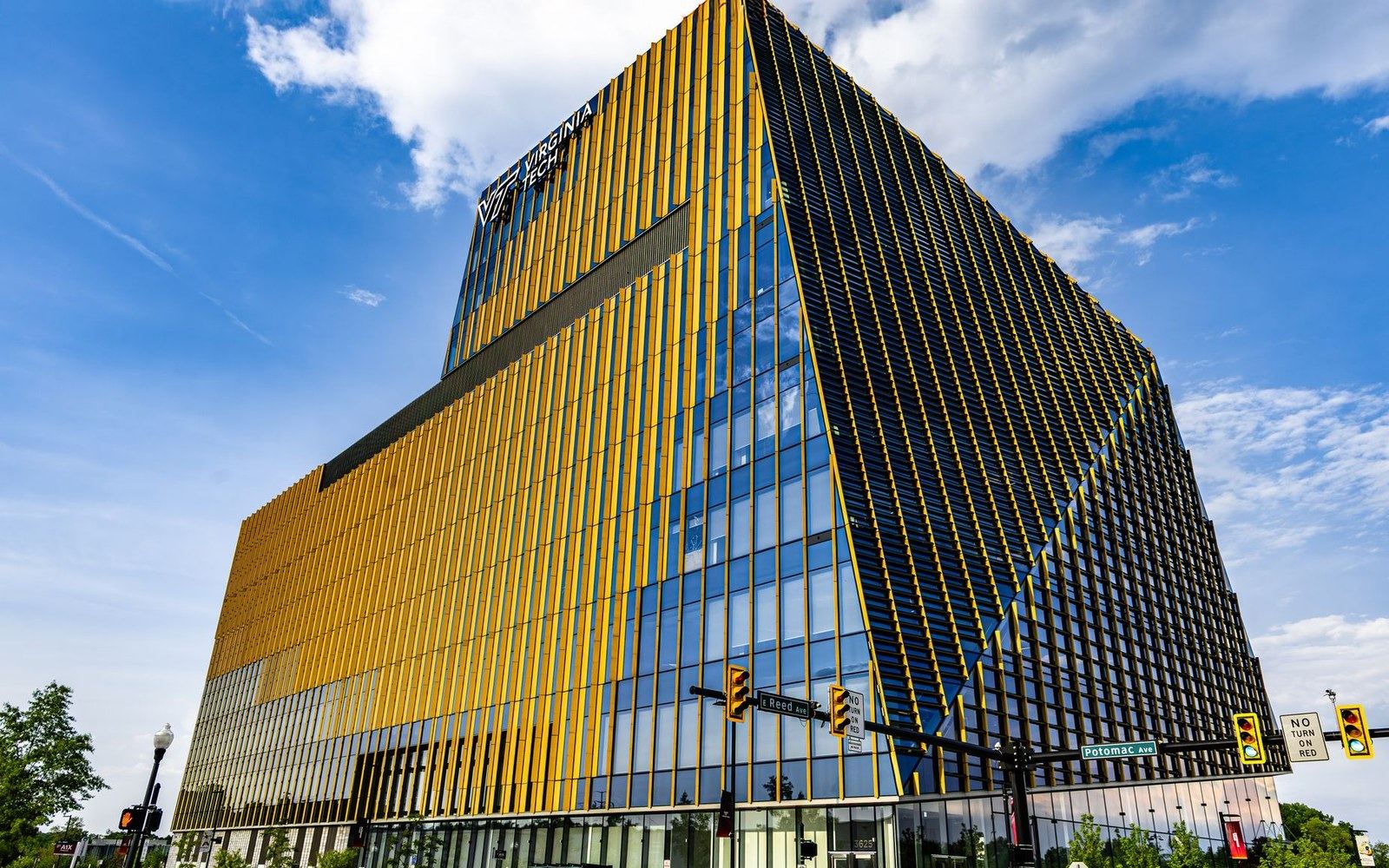
McClatchy filed for Chapter 11 in 2020 and came out owned by Chatham Asset Management.
Photo: Dmytro Koplyk / Pexels
McClatchy, once the second-largest newspaper chain in the United States by circulation, filed for Chapter 11 bankruptcy protection in February 2020, listing roughly thirty daily newspapers across fourteen states in its portfolio. Founded in Sacramento in 1857 and still headquartered there, the company had spent the previous decade attempting to absorb the debt load from its 2006 acquisition of Knight Ridder — a $4.5 billion deal struck at the precise moment print advertising began its structural collapse. By the time the bankruptcy petition reached the Southern District of New York, the chain's papers included the Miami Herald, the Kansas City Star, and the Fort Worth Star-Telegram, titles with deep civic histories now struggling to hold staff.
The Chapter 11 filing listed total liabilities in excess of $1.3 billion. The figure that drew the most immediate attention, however, was not the corporate debt but the pension obligations: the company's pension plan, covering thousands of former employees, carried an estimated underfunding gap of approximately $1.4 billion at the time of filing. The Pension Benefit Guaranty Corporation — the federal insurer of private pension plans — became a central party in the proceedings, as any shortfall between what McClatchy could pay and what retirees were owed would fall partly on the agency.

A final edition, bundled and unsold.
Photo: Maria Tyutina / Pexels
Chatham Asset Management, a New Jersey–based hedge fund that had accumulated a significant position in McClatchy's debt before the filing, emerged as the winning bidder in the court-supervised sale process. The deal was completed in September 2020. Under the plan confirmed by the bankruptcy court, Chatham acquired the reorganised company for roughly $312 million, a figure that covered secured debt but left the pension gap only partially addressed. The PBGC negotiated a settlement that transferred the pension obligations to the agency in exchange for a claim against the reorganised estate — meaning retirees became creditors of the new entity rather than participants in a fully funded plan, with the PBGC backstopping reduced benefit levels where federal statutory maximums applied.
The transaction placed Chatham in the same category as Alden Global Capital among the hedge funds that now control large swaths of American regional journalism. Both firms entered newspaper ownership through debt accumulation and distressed-asset acquisition rather than through any strategic commitment to the industry. Chatham's principal, David Geithner, and the firm itself had no prior background in media operations before the McClatchy purchase.
For the papers themselves, the years following the sale brought the pattern that has become familiar across hedge-fund-owned chains: staff reductions, consolidated editing desks, and reduced publication frequency at some titles. The Miami Herald's newsroom, which had won multiple Pulitzer Prizes, operated with a fraction of the journalists it had employed a decade earlier. Researchers tracking local news contraction — including Penny Muse Abernathy, whose work at the Medill School of Journalism has produced the most systematic county-level mapping of the news desert problem — have documented McClatchy markets among the communities experiencing measurable coverage loss in the years after the sale.
The masthead stays on the door after the newsroom goes.
Photo: Ekaterina Belinskaya / Pexels
The pension outcome remained contested. The PBGC's settlement gave the agency a seat at the table of the reorganised company, but retirees whose benefits exceeded federal insurance ceilings faced reductions. The gap between what a solvent McClatchy might have paid and what the PBGC could cover illustrated a structural risk embedded in the pension arrangements that many large newspaper companies had made during more prosperous decades — obligations that were sustainable when circulation and advertising held, and catastrophic when both collapsed simultaneously.
McClatchy's trajectory from family-controlled regional publisher to hedge-fund asset took roughly fourteen years from the Knight Ridder acquisition to the Chapter 11 filing. The speed of the descent, and the size of the pension liability relative to the sale price, made the case a template for understanding how decades of financial obligation can outlast the business model that generated them — and who ultimately absorbs the difference.