iHeartMedia's Debt Load and What the PPM Numbers Show for Radio
The Balance Sheet and the Ratings Tell the Same Story
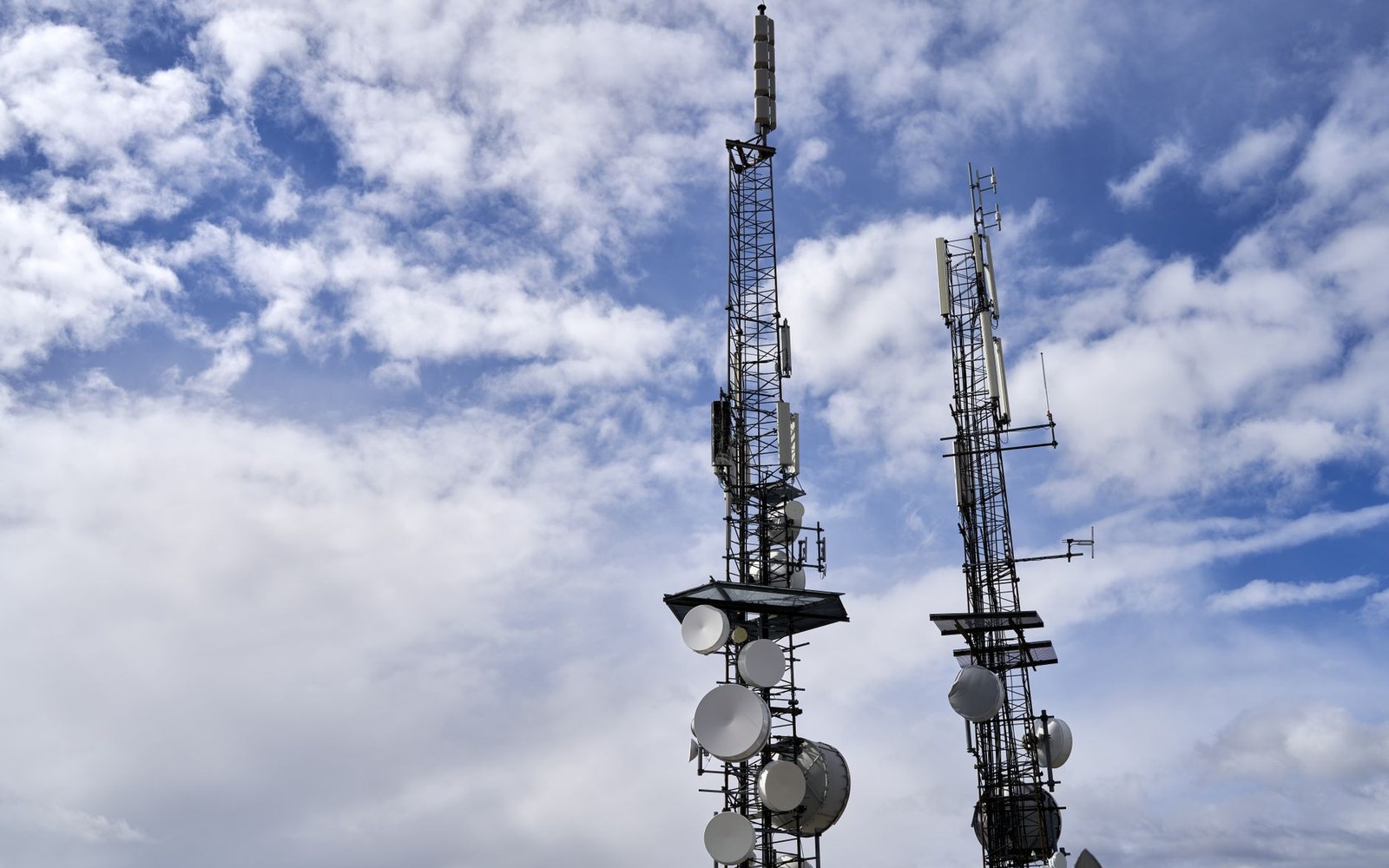
Radio measurement runs on meter panels; the balance sheet runs on refinanced debt.
Photo: Barnabas Davoti / Pexels
iHeartMedia emerged from Chapter 11 bankruptcy in May 2019 carrying roughly $5.75 billion in restructured debt — a figure disclosed in the company's post-emergence filings with the Securities and Exchange Commission. The old Clear Channel debt pile, which had peaked above $20 billion, had been cut substantially, but what remained was still a heavy burden for a company whose core business, AM/FM broadcast radio, was simultaneously losing the audience that justified its advertising rates.
Nielsen Audio's Portable People Meter data — drawn from panels of respondents wearing passive detection devices that log broadcast audio exposure — provides the closest thing to a continuous measure of radio's reach. The PPM methodology, which Nielsen Audio deploys across the largest US markets, replaced diary-based ratings as the standard in major metros. What it has shown consistently since iHeartMedia's restructuring is an industry in managed decline: weekly radio reach among adults aged 18–34 has contracted meaningfully across successive measurement periods, while total weekly reach across all adults — though still substantial in absolute terms — has trended downward each year.

Broadcast held 20.1% of American television time in May 2025, and still sets the hour.
Photo: Samon Yu / Pexels
iHeartMedia's scale makes those numbers consequential for the whole industry. The company owns more than 850 radio stations across the United States, making it by far the largest terrestrial radio group in the country. When its spot revenue contracts — as it did sharply during the pandemic and has not fully recovered since — the effect ripples across the national advertising market for audio. The company's annual reports document successive years of declining political and spot revenue in its audio segment, even as its digital audio and podcast operations have grown.
The structural problem is that the PPM audience and the debt service obligation are moving in opposite directions. Advertising rates for terrestrial radio are negotiated against Nielsen Audio audience guarantees; as those guarantees compress, rate cards fall, and the revenue available to service debt falls with them. iHeartMedia's 10-K filings show the company has repeatedly refinanced its obligations and extended maturities, but the underlying tension between a shrinking broadcast audience and a fixed capital structure has not resolved.
The Prometheus Radio Project and other public-interest advocates have long argued that consolidation in radio — accelerated by the Telecommunications Act of 1996 — created station groups too large to serve local communities effectively. iHeartMedia is the clearest case study. Its PPM numbers show audiences still exist for radio; its balance sheet shows that the business built around those audiences may not be sized correctly for what those audiences are actually worth to advertisers now.